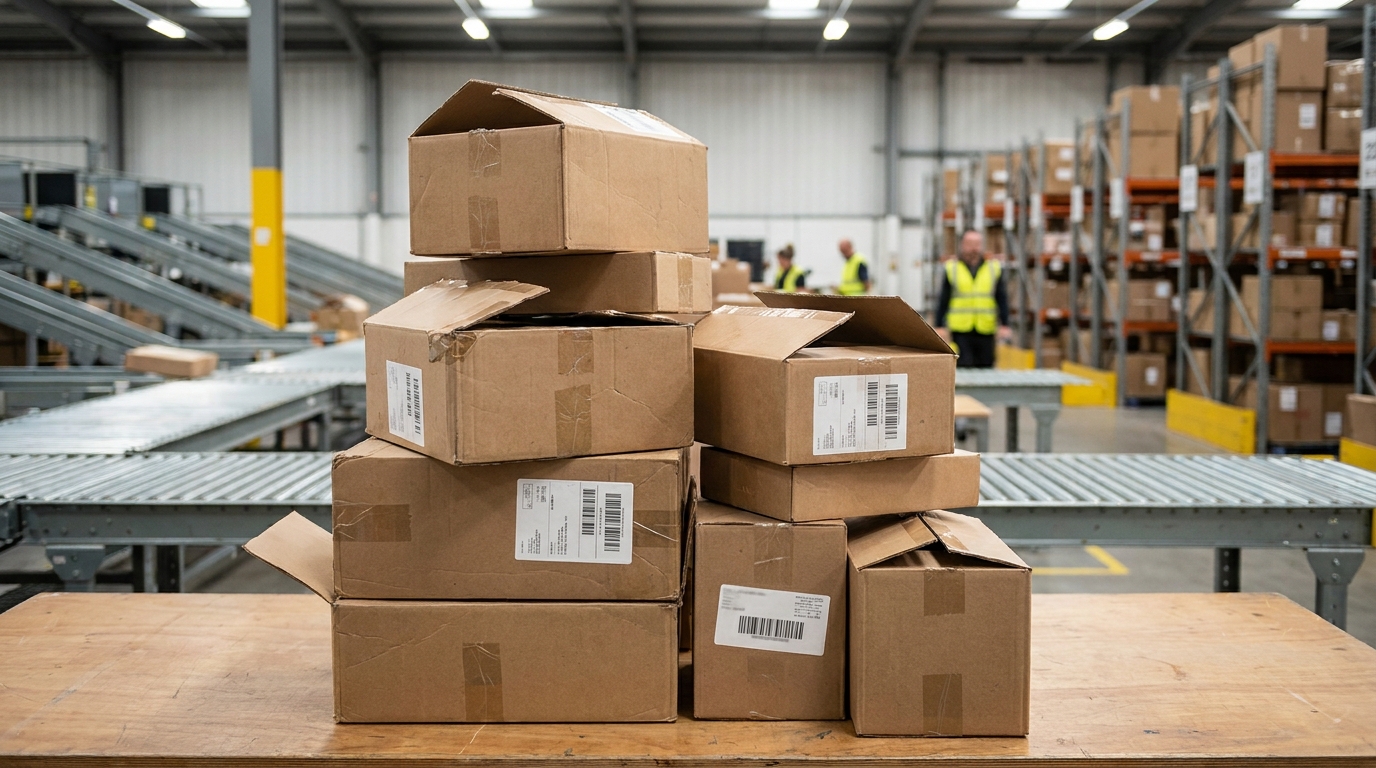
The End of Free Returns
Free, unlimited returns trained a generation of shoppers to treat the bedroom as a fitting room and the courier as its door. That era is ending: across major retailers, returns are quietly becoming slower, costlier and more conditional. Understanding why — and what replaces the old normal — is now part of shopping well online.
Why the crackdown is happening
Returns are brutally expensive: collection, transport, inspection, repackaging — and a large share of returned goods never resell at full price, with some categories partly destined for liquidation or disposal. Fashion return rates online run several times physical retail's, and "bracketing" — ordering three sizes to keep one — became standard behaviour the moment returns were free.
For years retailers absorbed this as a customer-acquisition cost. Tightening margins ended the tolerance, and the industry is now rebalancing the cost onto the behaviour that creates it — which, notably, is not most shoppers: return volume is heavily concentrated in a small slice of accounts.
What the new rules look like
The changes arrive in layers rather than announcements:
- Shortened windows — 30 days quietly becoming 14 for change-of-mind.
- Paid returns — free labels replaced by €2–7 fees, with free drop-off surviving in-store (a deliberate foot-traffic play).
- Restocking fees on opened electronics.
- "Keep it" refunds for low-value items not worth freighting back.
- Serial-returner scoring — accounts with extreme return rates warned, then restricted.
Marketplace sellers layer their own policies beneath platform headlines, so two items in one order can carry different rules. None of this touches statutory rights: distance-selling withdrawal and faulty-goods remedies stand regardless of store policy, and the distinction — covered in return policies decoded — matters more as the voluntary layer thins.
A worked example
A shopper orders three sizes of a €60 jacket, planning the usual bracket. Under the new policy: returns cost €4.95 unless dropped in-store, refunds process after courier scan-in, and the account sits one heavy quarter from a warning. The two returns cost €9.90 and a fortnight of float — the "free fitting room" now bills. The adapted version: check the measured garment dimensions against a tape measure (two minutes), read three fit-note reviews ("runs small, size up"), order one size — €0 in fees, no float, no scoring. Multiplied over a wardrobe-year, the measuring-tape habit is worth €50–100 and several hours of repackaging.
How to shop under the new rules
The old habit was "order it and see"; the new discipline is making the return unnecessary. Size charts and measured dimensions, reviewer photos and fit notes do most of what bracketing did. Where uncertainty is genuinely high, the returns terms become a shopping criterion: the retailer with free in-store drop-off or a longer window earns the order at a slightly higher price — policy is now a price component, exactly like delivery.
When you do return, speed matters more than before: windows are shorter, refunds increasingly track the courier scan, and proof of postage is the receipt that settles the only dispute that ever really happens.
The direction of travel
Expect the pendulum to settle, not swing back: returns as a tiered, priced service — free for members or store credit, charged for cash refunds — is the spreading pattern, with paid memberships absorbing returns the way they absorbed delivery. The shoppers least affected are the ones the system was always cheapest to serve: those who buy deliberately and return rarely. The economics have simply started saying so out loud.
FAQ
Can a retailer legally charge me to return a faulty item? No — faulty-goods remedies put return costs on the retailer in essentially every consumer regime. Fees apply to change-of-mind returns only; naming the return correctly is half the outcome.
Will I actually get blacklisted for returning too much? Documented account restrictions exist at several large retailers, aimed at extreme patterns (majority-returned orders, sustained bracketing). Ordinary return behaviour is nowhere near the thresholds.
Is "keep it and refund" too good to be true? It is real for low-value bulky items where reverse logistics cost more than the goods. It is triggered by the retailer's arithmetic, not requestable — and abusing it lands in the same scoring systems as bracketing.

Lena planned warehouse and delivery operations before moving to writing, which is why she is sceptical of any promise involving the word 'instant'. She covers shipping, returns and the unglamorous logistics that decide whether an online order actually works out.
More about our writers →More in E-Commerce Trends

Rising Marketplace Fees — and Who Really Pays Them
Commissions, fulfilment and ad costs on the big platforms end up inside retail prices. The fee stack explains prices that otherwise make no sense.
Voice & Chat Shopping: When the Assistant Picks the Product
Buying through a speaker or an AI chat is moving from demo to habit — and it compresses everything about ranking and sponsorship into one confident answer.

Dynamic Pricing: Why the Price Changed
Prices move several times a day on the same page. It's mostly automated repricing rather than anything aimed at you — but the effect is real.