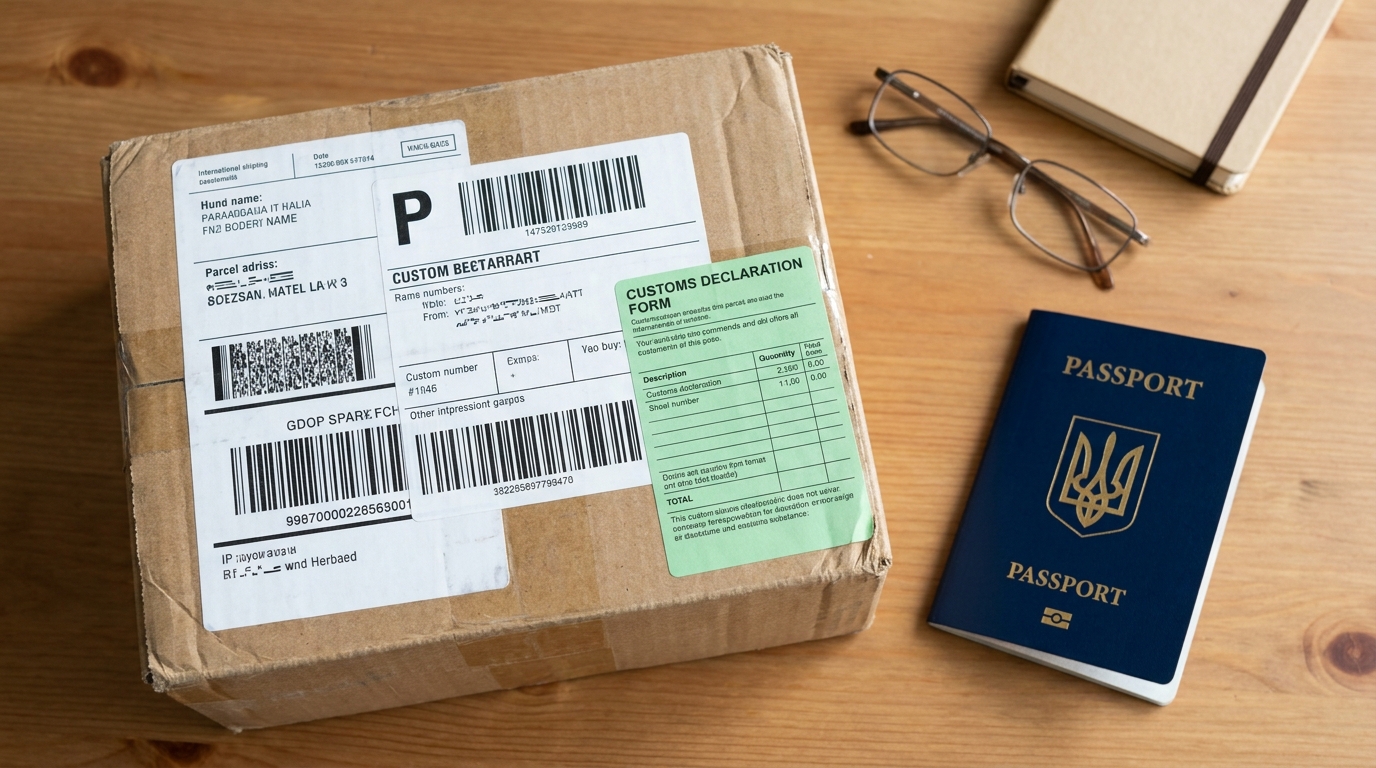
Cross-Border Shopping: The Landed Cost Is the Real Price
Buying from a shop in another country used to be exotic; now a large share of marketplace listings quietly ship from abroad whether the buyer notices or not. Cross-border orders can be genuinely cheaper, and they can also arrive with surprise charges that erase the saving. The difference is knowable in advance — every line of it.
The landed cost is the real price
The sticker is the beginning of the calculation, not the end:
- International shipping — the visible line.
- Import VAT / sales tax — charged on goods value plus shipping in most regimes.
- Customs duty — where the order crosses your country's threshold; rates vary by category.
- The courier's brokerage fee — the one everyone forgets: a €10–25 handling charge for processing the customs entry, which can exceed the duty itself on small parcels.
Better shops calculate all of this at checkout and let you prepay duties — worth a modest premium, because a taxes-prepaid parcel moves through customs without the doorstep ransom note.
A worked example
A €160 jacket from a non-EU shop, shipped to Germany. Shipping: €15. Import VAT at 19% on €175: €33.25. Duty on clothing at 12% on €160: €19.20. Courier brokerage: €14.50. Landed cost: €241.95 — a 51% premium on the sticker, against €225 for the same jacket from an EU stockist with free returns. The "cheaper" foreign order loses by €17 before counting the return risk. Reverse the numbers for a €90 camera accessory unavailable locally, under the duty threshold: €90 + €12 shipping + VAT ≈ €121 landed, versus not having it at all — a clean win. Same arithmetic, opposite verdicts; the five minutes of adding four numbers is the entire skill.
Check the thresholds before, not after
Most countries publish clear value thresholds: below one figure no charges, between figures tax but no duty, above both. Timing an order under a threshold is legitimate planning; a seller offering to falsify the declared value is proposing customs fraud on a parcel with your name on it — and an undervalued parcel is also an under-insured one.
Note that "free shipping" on a cross-border listing says nothing about tax treatment, and marketplace platforms increasingly collect import VAT at checkout for low-value goods — which is convenient, and worth confirming actually happened before assuming the doorstep is safe.
Returns are where cross-border deals die
A domestic return costs a label and a week. An international one can cost €20+ in tracked postage, a customs form, and a refund that excludes original shipping — on a purchase whose whole appeal was 15%. Before ordering anything with meaningful return probability (clothing and shoes above all), read the returns section specifically for who pays international postage; the returns-policy fundamentals apply, with the friction multiplied.
Warranty geography matters for electronics: manufacturers commonly honour warranties only in the sales region, and plugs, voltages and radio certifications differ. A grey import can be flawless and still be locally unserviceable — a hidden cost the landed-price line doesn't show.
Where it genuinely makes sense
Cross-border shines for items not sold locally at all, regional specialities, and price gaps large enough to absorb the full landed cost plus returns risk — in practice, gaps of 30%+ on keep-forever items. It is weakest for low-value, high-return-rate categories. Payment recourse matters more at distance, not less: a card with chargeback rights, per the usual rules, is the layer that still works when the seller is eight time zones away.
FAQ
Why was I charged by the courier at delivery when I already paid tax at checkout? Either the checkout collected VAT but not duty/brokerage, or the paperwork failed to show payment. Pay under protest if you need the parcel, then claim back with the checkout receipt — double-collection is refundable.
Are "customs-friendly" gift declarations legitimate? No — gift allowances apply to genuine private gifts, not purchases. Sellers offering it are shifting fraud risk onto you.
Do EU-to-EU orders carry any of these costs? No customs, no import VAT events within the single market — which is why an EU stockist at a slightly higher sticker so often wins the landed-cost comparison in the worked example above.

Lena planned warehouse and delivery operations before moving to writing, which is why she is sceptical of any promise involving the word 'instant'. She covers shipping, returns and the unglamorous logistics that decide whether an online order actually works out.
More about our writers →More in Online Shopping

What Happens When You Abandon a Cart
Walk away from a cart and a recovery machine starts working on you — reminder emails, timers, sometimes a discount. Here's how to read it, and use it.

How to Actually Read Product Reviews
The average score is close to the least informative thing on a review page. The information is in the distribution, the text and the metadata.

Which Marketplace to Buy What On
Large marketplaces look interchangeable and aren't. The mix of first-party stock, third-party sellers and protection policies decides where a purchase makes sense.