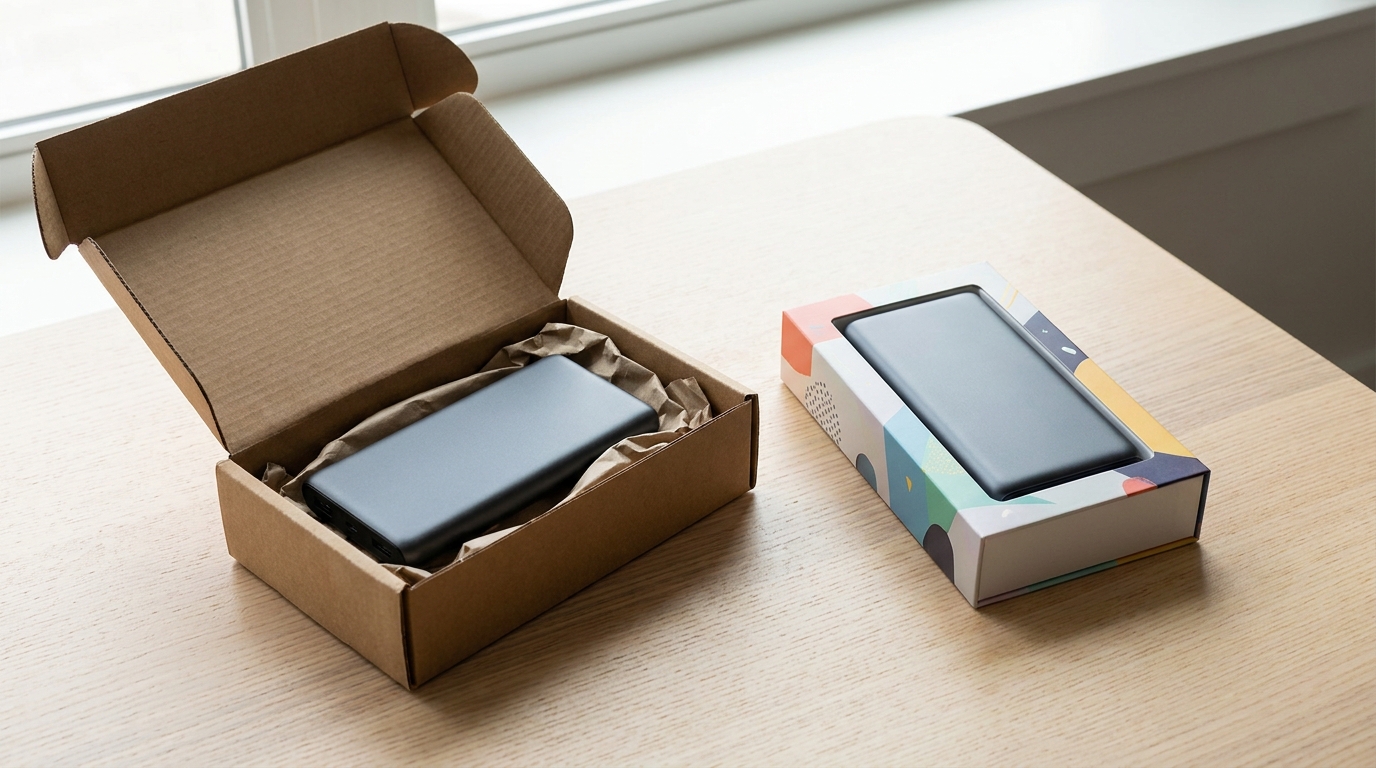
Refurbished vs New: When It's Worth It
Refurbished can mean a device that was returned unopened and re-boxed, or one that failed, was repaired and retested. Both are sold under the same word, which is why the grade and the seller matter more than the label — and why the category contains both the best value in electronics and some of its worst surprises.
What the grades usually mean
Most sellers operate a grading scale, and the vocabulary is fairly consistent even though it is not standardised:
| Grade | Typically means | Typical saving vs new |
|---|---|---|
| "Like new" / A | No visible wear; often an unopened return | 10–20% |
| "Very good" / B | Light marks invisible at arm's length | 20–35% |
| "Good" / C | Visible scratches or dents; fully functional | 30–50% |
Cosmetic grade says nothing about functional condition. A heavily marked unit that passed a full test cycle may be more reliable than a pristine one that was never properly checked — which is why the refurbisher's process matters more than the adjective.
Manufacturer refurbished is a different product
Refurbishment by the original manufacturer typically means genuine parts, a full functional test, a replaced battery where relevant, and a warranty comparable to new — usually a fresh one-year term. It is the most expensive refurbished option and, for anything with a battery or moving parts, generally the one worth paying for.
Third-party refurbishers vary widely. Some are excellent and publish their testing checklists; others replace only what visibly failed. The differentiators are transparency about process and the warranty they are willing to stand behind — six months is a reasonable floor, twelve is a good sign. Note that statutory consumer rights apply to refurbished goods too (adjusted for the described condition), a layer many buyers forget they have; the mechanics are in what warranties actually cover.
A worked example
A laptop sells new for €1,100. The manufacturer's refurbished store lists the same configuration, grade A, new battery, 12-month warranty, at €830. A marketplace refurbisher lists grade B at €690 with a 6-month warranty and no battery-health disclosure. The €140 gap between the two refurbished options buys: a fresh battery (a €90–130 part plus labour), double the warranty, and certainty about parts provenance. Unless the budget is hard-capped, the manufacturer unit is the stronger buy at a still-substantial €270 below new. The marketplace unit becomes rational only if its battery health is disclosed and high — which is exactly the question to ask before ordering, not after.
Where refurbished makes sense — and where it doesn't
Strongest: laptops, phones, tablets, monitors, power tools and kitchen appliances from established refurbishment programmes — well-understood failure modes, large price gaps, testable function. Business-line laptops deserve special mention: built for fleet durability and abundant on the refurb market, they are routinely the best value-per-euro in computing (more on picking one in the laptop buying guide).
Weakest: items where a hidden fault is expensive or unsafe, where consumables arrive degraded and unreplaced, and where the discount is thin. A saving under roughly fifteen percent rarely justifies a shorter warranty and a smaller returns window — at that gap, buy new.
What to verify before buying, and after arrival
Before: the warranty length and who honours it; the returns window (long enough for real testing); battery replacement or a disclosed health percentage; what is in the box, since chargers and cables are commonly omitted.
After arrival, exercise everything within the return window rather than at its end: every port, camera, speaker and radio; a sustained-load session; a full charge-discharge cycle. Faults that surface under real use are the ones an unboxing check misses — and inside the window, they are the seller's problem rather than yours.
FAQ
Is "open box" the same as refurbished? No — open box is a returned item resold with, at most, an inspection. It is often the best of the discounted channels (full product, cosmetically perfect, discounted for a torn box) but check whether the full warranty applies, as it usually runs from the original sale date.
How much battery degradation is acceptable in a refurbished phone? Disclosed health of 85%+ is workable; below that, price in a battery replacement. The better programmes fit new batteries as standard — which is a large part of what their premium buys.
Do refurbished goods hold resale value? They resell close to used-market prices of ordinary units in the same condition — you lose the refurb discount's paper value but you also paid less. Depreciation per year of use is typically lower than buying new, which is the whole arithmetic in one line.

Marcus tests the things people actually buy — headphones, laptops, kitchen gear — and cares more about what a spec sheet omits than what it advertises. He has handled enough refurbished returns to know which grades are worth it. He writes our product guides and buying advice.
More about our writers →More in Product Guides

Buying a Mattress Online Without Regretting It
The trial is the real product, comparison shopping is deliberately impossible, and firmness words mean nothing between brands. Navigate accordingly.
Small Appliances: Separating Machines from Marketing
Wattage is marketing; mechanisms are engineering. What predicts satisfaction is consumables cost, spare parts and the boring failure points.

How to Buy a Laptop You'll Still Like in Year Five
Laptops are bought on numbers and lived with as objects. The specs decide the purchase; the screen, keyboard and thermals decide the satisfaction.