
Budgeting for a Big Purchase
A large purchase goes wrong in one of two ways: paying more than the thing is worth to you, or paying in a way that costs considerably more than the price. Planning addresses both, and the planning is not complicated — it is mostly a short sequence of honest arithmetic done before the shopping starts.
Establish the real total first
The headline price is rarely the cost. Before comparing anything, build the full figure:
- Delivery and installation — bulky-item delivery, old-appliance removal, professional fitting.
- Required accessories — the cables, mounts, cases or attachments the item doesn't function properly without.
- Consumables — filters, pods, bags, ink: price a year of them.
- Running costs — electricity, subscriptions, insurance where relevant.
- The exit — what the old item is worth (resale or trade-in) offsets the total.
For appliances and vehicles, running costs frequently exceed the purchase price over a normal lifespan, which can invert a comparison entirely: a fridge that costs €120 more but uses €35 less electricity per year is the cheaper fridge by year four.
A worked example
A household plans a washing machine replacement. Model A costs €449; Model B costs €649 but carries a better efficiency class and a ten-year motor warranty. Delivery and removal add €39 to either. Model A's expected consumption is about €78 per year in electricity and water; Model B's is about €52. Over an eight-year life: Model A totals roughly €449 + 39 + 624 = €1,112; Model B roughly €649 + 39 + 416 = €1,104 — a dead heat on money, with Model B ahead on warranty and quieter operation. The sticker gap of €200 was never the real gap. This is the calculation the showroom hopes you skip.
Save toward it rather than financing it
Setting aside a fixed monthly amount toward a named purchase has two advantages over borrowing. It costs nothing, and it introduces a delay during which a meaningful share of intended purchases turn out not to be wanted after all — the cheapest outcome there is.
If the timing genuinely cannot wait, compare financing on total cost, never monthly payment. Interest-free promotional periods are real value when the balance is definitely cleared within the term — and expensive when it is not, because deferred-interest deals commonly charge interest retrospectively on the original balance if any of it survives the promotional window. A €900 purchase on a 12-month deferred-interest plan with €80 still owing in month 13 can suddenly carry a year of interest on €900, not on €80. Read for the phrase "deferred interest" specifically.
Time it against the category cycle
Large purchases usually sit in categories with predictable discount rhythms, so a planned purchase can be pointed at one: home appliances cluster around January clearance and November sales, mattresses and furniture around public-holiday events, last-generation electronics around new-model announcements. Knowing the rhythm converts patience into a percentage. This argues for replacing things slightly before they fail rather than after — when the washing machine dies on a Tuesday, you have no leverage, no comparison time and same-week delivery fees.
Decide the specification before the shopping
Write down what the item must do before looking at options. Large purchases attract upselling, and the upsell is usually a specification you had no requirement for until it was presented as a small increment on an already large number — the €150 capacity upgrade on a €1,400 sofa, the marginal screen tier on a television. Against a written requirements list, increments have to justify themselves; without one, they only have to sound small. The same discipline applies to warranties offered at the till: most extended-warranty value is already covered by statutory rights and card protections, as we detail in what warranties actually cover.
A useful final discipline: hold the decision overnight once you have chosen. If the reasoning still stands the next morning, it was a decision. If it does not, the urgency was doing the work.
FAQ
Is financing ever the smart choice? Genuine 0% instalments on a purchase you could pay cash for, cleared comfortably within the term, cost nothing and preserve your buffer — that is rational. Financing that stretches an unaffordable item into "affordable" monthly slices is the pattern to refuse.
How big a buffer should the budget include? Add ten percent to the established total. Large purchases reliably generate small surprises — a fitting kit, a longer hose, a disposal fee — and a pre-agreed buffer absorbs them without renegotiating the decision.
What about buying used or refurbished for big items? Often excellent value, with category-specific caveats — the savings are largest exactly where the depreciation is steepest. Judge the seller and the warranty as carefully as the price.

Daniel writes about the money side of shopping: what cashback really pays out, which rewards are worth chasing, and how to budget for a purchase instead of financing it badly. He has audited his own subscriptions every January since 2018 and reports the damage honestly.
More about our writers →More in Saving Money
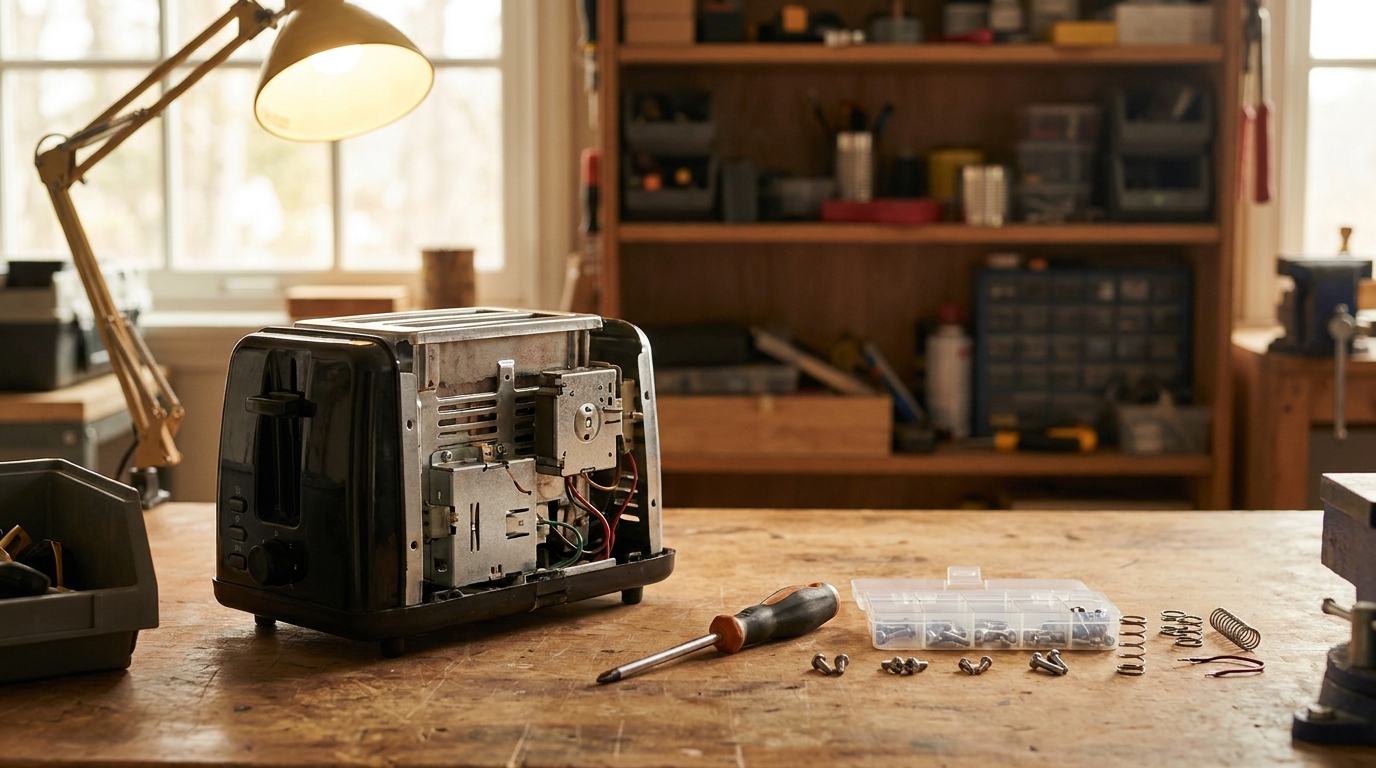
Repair First: The Cheapest Purchase Is No Purchase
Most 'broken' household items sit one cheap part or one video away from working. Repair-first is a skill, a purchasing strategy and increasingly a right.
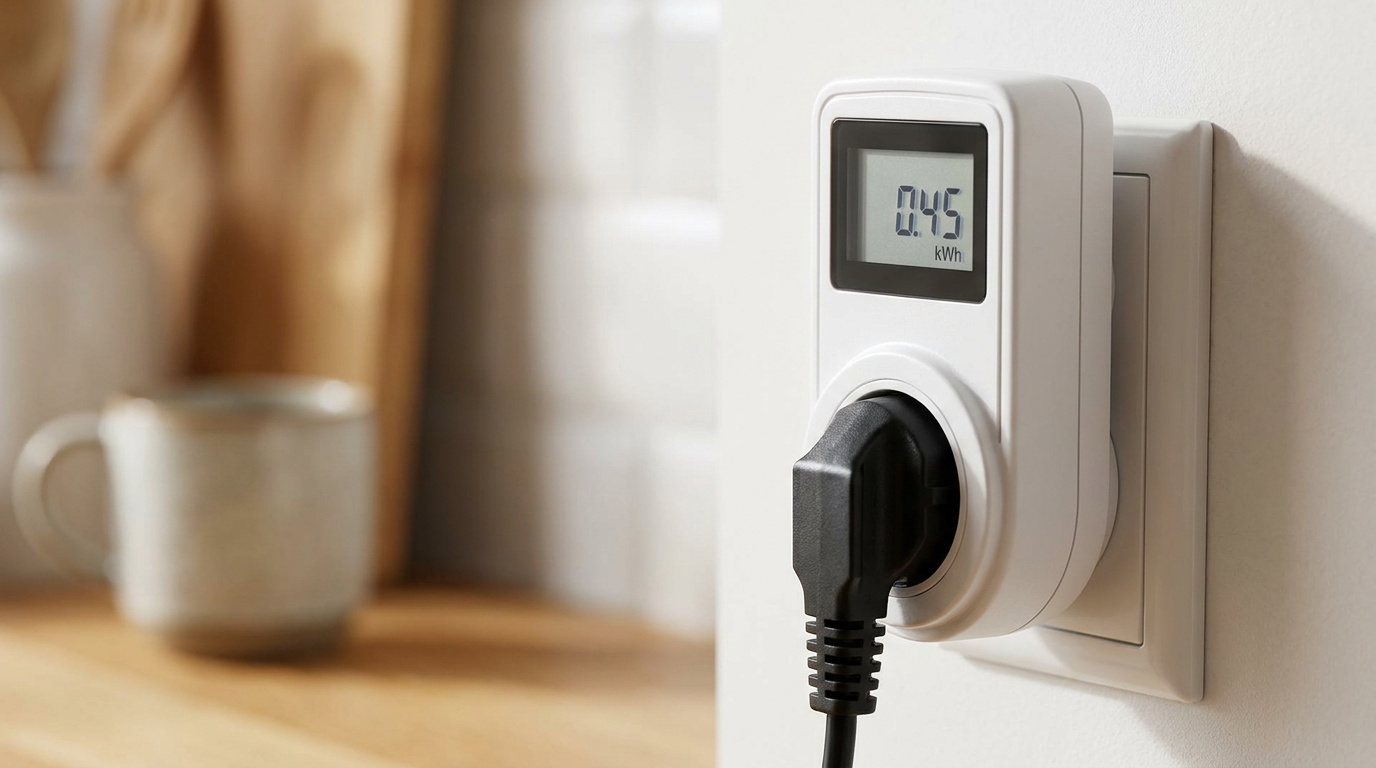
The Electricity Bill Hiding in Your Purchases
For several household devices, lifetime energy cost exceeds the price tag. One line of arithmetic turns efficiency labels into actual money.

Grocery Delivery: Convenience Tax or Quiet Saving?
The delivery fee is the smallest part of the price difference. Item markups, substitutions and changed buying behaviour decide the real cost.